


PRP Hair Restoration in St. Catharines
Use your own blood to wake up thinning hair. No drugs, no surgery, and you could see real density change in three to six months!
If you’re interested in regrowing your thinning hair, book a FREE consultation with a licensed nurse practitioner to find out if you’re a good candidate for PRP Hair Restoration!
You’re Definitely Not Imagining Your Hair Loss
You see it in the shower drain, on your pillow, in photos where the light hits your part just right. You've tried the shampoos. You've adjusted your hairstyle to cover it. And it's still getting worse.
The longer thinning goes untreated, the harder it becomes to reverse. Hair follicles that go too long without stimulation eventually stop responding altogether. The earlier you act, the more you have to work with.
Here's what changes when you stop watching it happen and actually address it: you stop rearranging your hair before every photo. You stop checking the back of your head in every mirror you pass. You look at yourself and stop thinking about what's missing.
What is PRP Hair Treatment?
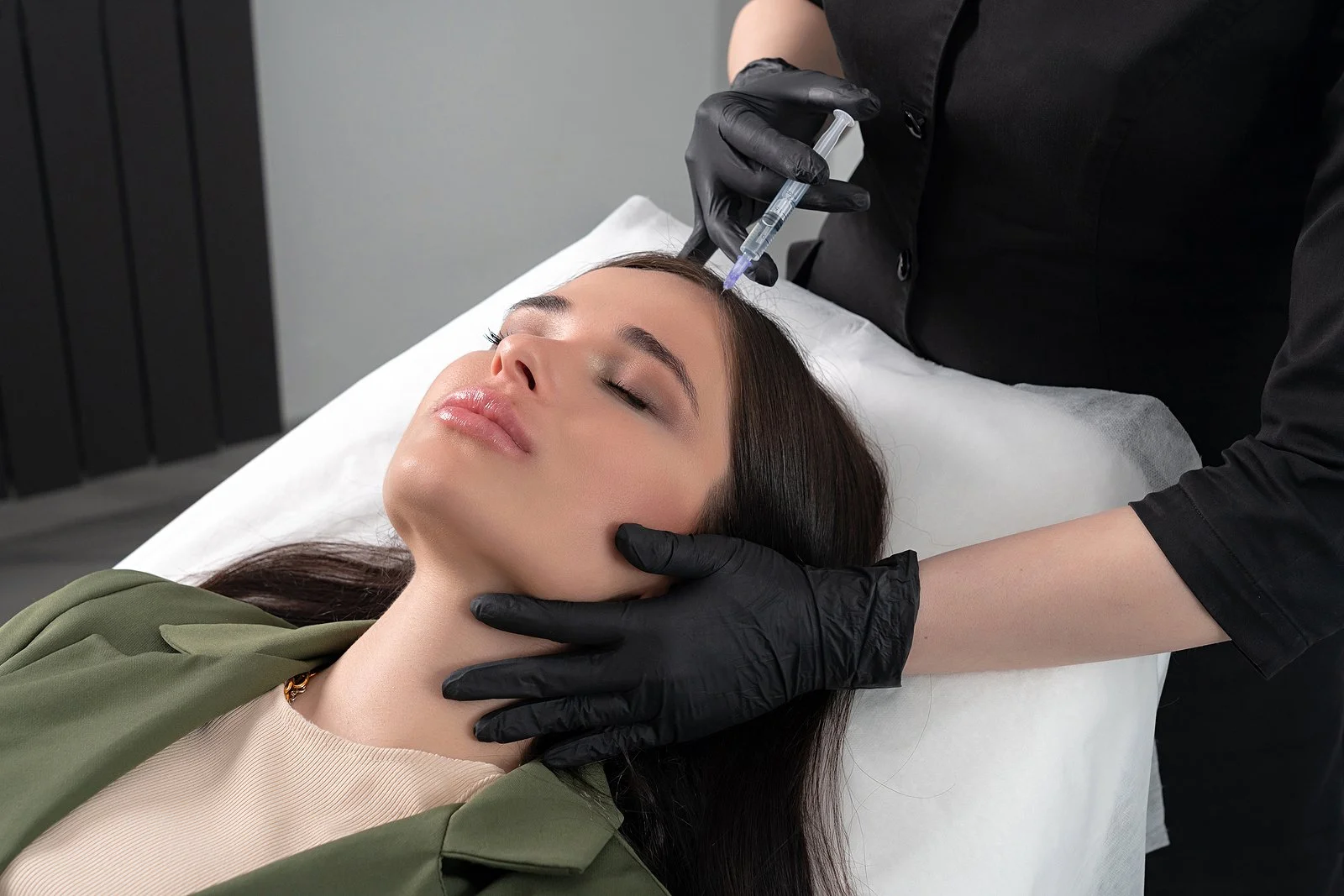
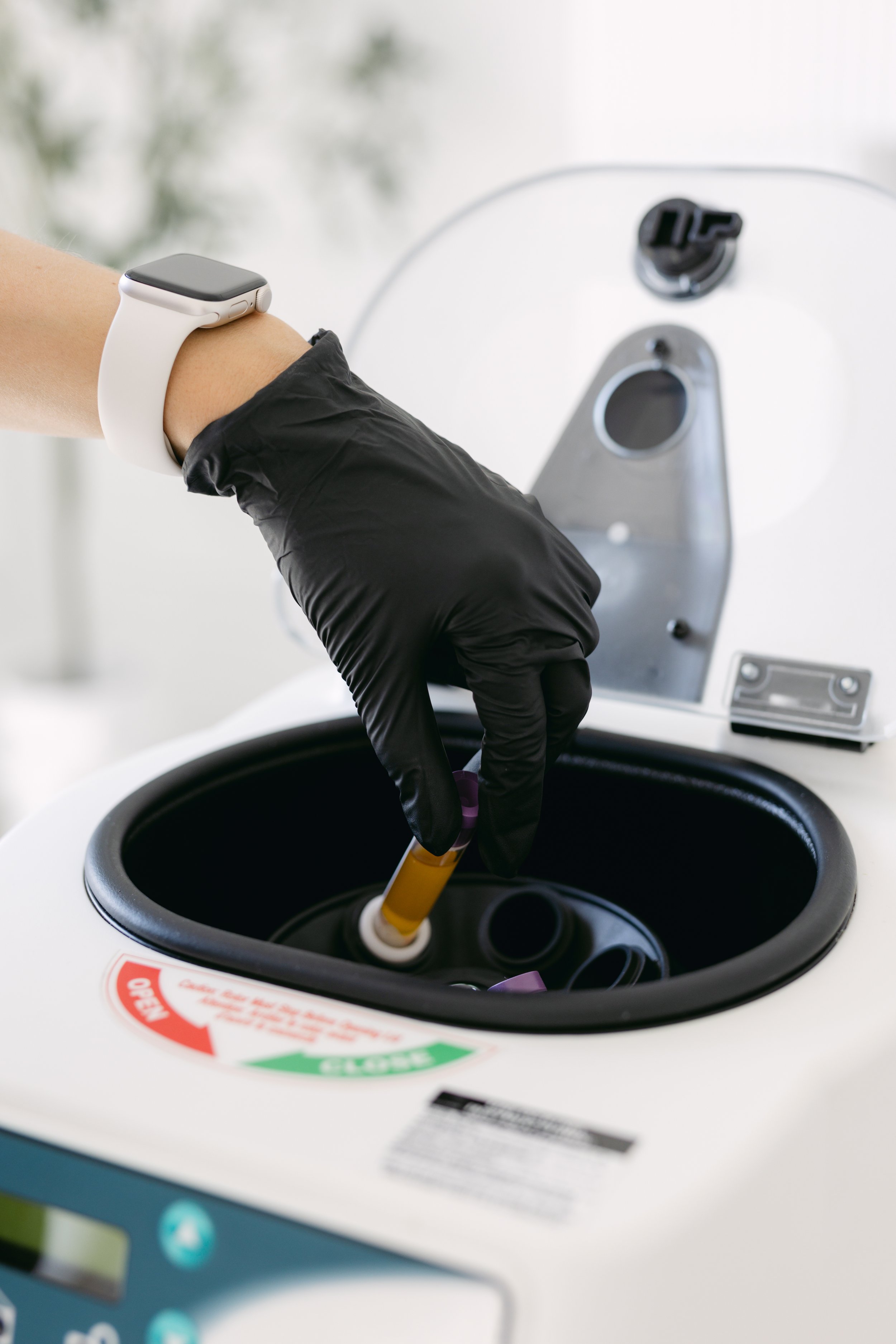
PRP stands for Platelet-Rich Plasma. I draw a small sample of your blood, spin it in a centrifuge to concentrate the growth factors, and inject that concentrated plasma directly into the areas of your scalp where thinning is most active.
No surgery. No transplant. No synthetic chemicals. Your own biology, concentrated and delivered where it matters.
The growth factors in PRP support underperforming hair follicles, improve blood supply to the scalp, and extend the active growth phase so your existing hair comes in thicker and stronger. This is not a hair transplant alternative for areas where follicles are completely gone. It is a treatment that works with what your body still has.
Is PRP Hair Restoration Treatment Right For You?
It depends on how far along the thinning is and what's the underlying cause is.
The best candidates for PRP Hair Restoration treatments are people who caught it relatively early. The follicles are still active but underperforming. There's something to work with. That's the window where PRP does its best work, because the growth factors have follicles to stimulate.
A lot of the thinning I see is hormonal. Pregnancy, perimenopause, menopause, testosterone changes can all affect hair growth in both men and women. If your hair started falling out around the same time something else shifted in your body, that's worth investigating.
PRP also makes sense if you're not ready for a transplant and don't want surgery or if stress, illness, or medication changes thinned you out and the underlying cause has stabilized. In those cases, PRP can help your hair recover faster.
Where it's not the right fit: if your hair loss is extensive and the follicles in the affected area are no longer active. I will tell you that during your consultation. I would rather give you an honest answer than take your money for a treatment that won't deliver what you're hoping for.
Thinking about exploring PRP treatments for hair loss? Schedule a FREE consultation with a Licensed Nurse Practitioner to find out if PRP is a good fit for you
What To Expect After PRP Hair Restoration
I am going to be straight with you about timelines, because this is where some places might overpromise and get your hopes up.
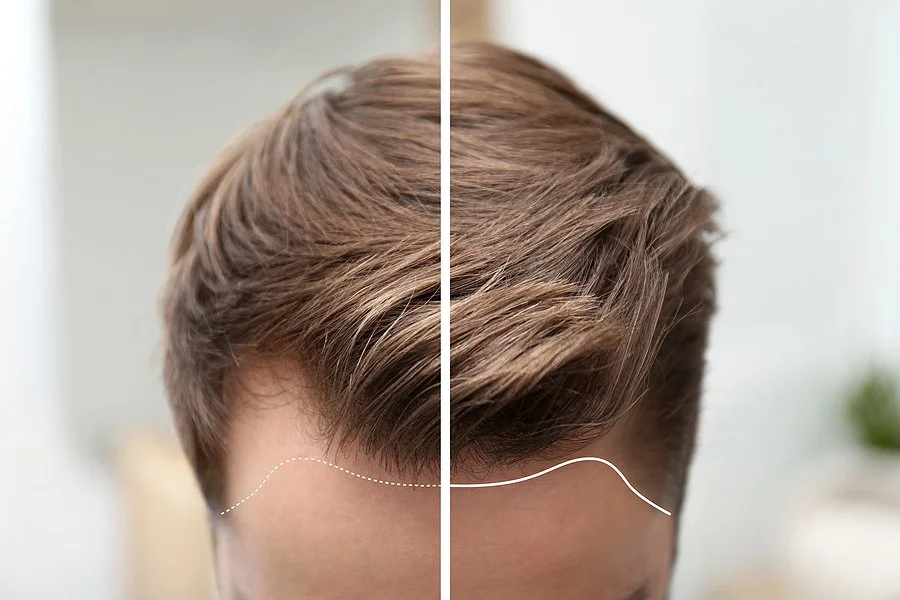
Results are gradual. Your hair did not thin overnight, and it will not grow back overnight. Most clients notice reduced shedding first, followed by thicker existing hair, and then new growth becoming visible at three to six months.
Some clients experience an initial shedding phase in the first few weeks. This is normal. In my experience, it's similar to what clients report when starting products like minoxidil. It can feel alarming, but it's a sign that the growth cycle is resetting.
After the initial three-session series, maintenance sessions every six to twelve months help sustain results. Your hair will tell us more about what schedule makes sense for you
PRP is not a miracle cure.
Result best seen on thinning hair where follicles are still alive but underperforming. I’ll assess the state of your hair growth during your initial consultation and give you a realistic picture of what to expect based on what I see.
The Hormonal Connection Some Clinics Miss
Here is what matters just as much as the PRP itself: why your hair is thinning in the first place.
If your hair started falling out around the same time your sleep changed, your energy dropped, or your cycle shifted, hormones are likely a factor. Androgenetic alopecia, post-partum shedding, perimenopause, low testosterone in men - all of these have a hormonal root.
Because I am a licensed nurse practitioner, I can order bloodwork, interpret the results, and treat the hormonal imbalance directly. I am not just injecting your scalp and hoping for the best. If your hormones are driving the loss, I can address that with hormone replacement therapy alongside PRP. That combination treats the symptom and the cause at the same time.
How PRP Hair Treatment Works
Step 1: Blood draw.
Same as a standard lab test, just one small vial.
Step 2: Centrifuge.
Your blood is spun to separate the platelet-rich plasma from the rest. This takes about 10 minutes.
Step 3: Scalp mapping.
I assess where your thinning is most active and map the injection sites. This is not a one-size-fits-all grid. I'm placing PRP where your specific pattern of loss is concentrated.
Step 4: Injections.
The concentrated PRP is injected into the mapped areas of your scalp. The whole session takes about 45 to 60 minutes.
The standard protocol is three sessions, spaced four to six weeks apart. That is what I recommend for most clients because it gives the growth factors enough repeated stimulation to produce visible results. I offer bundle discounts if you purchase all three appointments at the same time.

How Much Does PRP Hair Restoration Cost in Niagara?
Single PRP hair restoration sessions start at $450 with the best results seen with a 3-session series. If you buy all three at once, the savings are real! For a limited time, bundle all three together for $999 (regularly $1,350). That works out to $333 per session!
Each session builds on the previous one, and completing the full series gives your follicles enough repeated stimulation to produce visible results.
You'll know the exact cost for your specific treatment before anything happens. No hidden fees, and most importantly .. no pressure to add services you don’t want.
Frequently Asked Questions About PRP Hair Treatments
-
Yes. Peer-reviewed research has shown PRP increases hair count and thickness, particularly for androgenetic alopecia and early-stage thinning. Results vary depending on the cause and extent of your hair loss. I assess your situation during consultation and give you an honest answer about what to expect for your specific pattern.
-
The standard protocol is three sessions spaced four to six weeks apart. Most clients see noticeable improvement after completing the full series. Maintenance sessions every six to twelve months help sustain results long-term.
-
The scalp is numbed before treatment. Most clients describe the injections as mild pressure or a light pinching sensation. The blood draw at the beginning is the same as a standard lab test.
-
Hair thinning in women is common, especially during perimenopause, menopause, or after pregnancy. Hormonal hair loss is something I see regularly, and PRP can help stimulate regrowth in active follicles. If hormones are a contributing factor, in some cases I may also recommend bloodwork and HRT alongside PRP to address the underlying cause.
-
Single sessions start at $400. The 3-session package (the protocol I recommend for most clients) is currently $999, regularly $1,350. That's $333 per session. I'll confirm exact pricing and a recommended treatment plan at your consultation.
-
PRP is safe for most people, but it's not right for everyone. I'll screen for the following during your consultation:
- Active cancer or blood cancers
- Blood clotting disorders or very low platelet counts
- Active infections (systemic or at the scalp)
- Blood thinners or regular NSAID use (these affect platelet function and may need to be paused)
- Pregnancy (not enough research to confirm safety during pregnancy)
- Autoimmune conditions in an active flare
- Active scalp conditions like psoriasis or dermatitis at the treatment site
If you're on medications or managing a chronic condition, bring your list to the consultation. I'll tell you whether PRP is safe for your situation or if we should look at other options.